

Choosing a Kitchen Island Extractor
A kitchen island extractor is a beautiful centerpiece that can change the feel and look of your kitchen. They're likewise exceptionally functional, assisting to keep your kitchen without odours and air-borne grease.
There are a few various kinds of extractor to pick from consisting of island chimney, ceiling and downdraft. All of which provide varying levels of extraction.
Choosing your model
Adding an extractor to your kitchen island is a great method to include more performance to the space and also make it a centerpiece. However, before you begin comparing different models, there are a couple of things to bear in mind.
First and foremost, it's crucial to bear in mind that your kitchen extractor should be able to clarify efficiently. For this reason, it is important to examine the area readily available and identify how large a hood you require. We recommend selecting a hood with a minimum of 100cm clearance from your cooker and other kitchen systems for safe usage.
Another thing to think about is how frequently you cook and how extremely you do so. This will assist you decide whether a downdraft, ceiling or island extractor would be best for your home.
Downdraft extractors are generally installed beneath your kitchen island and rise straight beside the hob when in operation. They can be ducted to either the outdoors or recirculated depending upon your choice, and they offer a sleek, minimalist visual. However, they are not suitable for gas hobs and require a higher clearance from your hob than other extraction options.
Ceiling extractors are generally installed to the ceiling above your island and can be vented either outdoors or recirculated, depending on your preference. These are a more economical option than an island extractor, but they might not be as effective at clarifying in your kitchen.
Among the most popular designs of kitchen island extractor is a recirculating design. These models work by getting rid of the heat and smoke from your kitchen before recirculating it back into the space, which can be an ideal service for households that do not need to vent their extractor to the exterior.
When choosing an island extractor, it's also essential to remember that the system will become part of your kitchen style and must fit effortlessly with the rest of your design. Our range includes a variety of finishes and designs to match any kitchen, so it's easy to find an extractor that will match your existing colours and materials.
Installation
An extractor hood is a vital kitchen accessory to help you clear and keep your cooking location, keeping surfaces devoid of cooking vapours and grease. It also assists to make your food look its finest by circulating the heat uniformly and preventing it from pooling in areas where the heat tends to gather together, making it simpler to tidy up.
If you're considering setting up an island extractor in your kitchen, then we would suggest consulting an expert for the setup procedure. They will make sure that the hood is correctly connected to your kitchen island and is fitted at the proper height, along with ensuring it has enough power to successfully clear your air space.
When it pertains to selecting a kitchen extractor, there are a number of various types on the market to fit all spending plans and style choices. From traditional chimney style hoods to minimalist flat styles, you'll find something to completely suit your kitchen visual at CDA. We likewise offer a selection of lighting choices, consisting of LED and halogen bulbs, which you can utilize to illuminate your kitchen extractor while developing a striking feature in your house.
If your kitchen island belongs to an open-plan living and dining-room, you may wish to think about a downdraft extractor. This type of hood is flush with the ceiling when not in use, and increases into position to vent cooking smoke and vapours outside when activated. This is a relatively easy system to set up, although it is not appropriate for gas hobs and must be ducted to the outside of your home, which can make this choice more costly than wall or island hoods that don't require ducting.
Flush fitting extractor fans work by pulling the air upwards - it is then either pushed through a vent kit in the ceiling to an external wall where it is vented outside, or recirculated through charcoal filters and returned into the space, removing the requirement for external ventilation. This is an inexpensive option for lots of people, and it can still be an efficient method of clearing your kitchen's air of wetness, odours, heat and smoke.
Power
In addition to clearing the air, kitchen island extractors can also add a bold style declaration to your kitchen area. With many different models to pick from, there's sure to be a choice that fits perfectly with your wanted aesthetic. The following choices are ideal for those who wish to combine functionality and style in their kitchen.
A stainless-steel hanging extractor fan is an excellent choice for those who are aiming to create a contemporary appearance in their kitchen. With the option of several various finishes, you can match your hood to the rest of your home appliances for a cohesive look. In addition, our range includes alternatives with LED job lighting to assist you work effectively in your kitchen.
In addition to a streamlined, modern appearance, our stainless steel hanging cooker hoods are also highly reliable. They have adjustable extraction speeds, meaning they can keep up with the amount of steam generated by cooking. In addition, our hoods come with washable filters, which helps to lower the amount of grease and odours in the air.
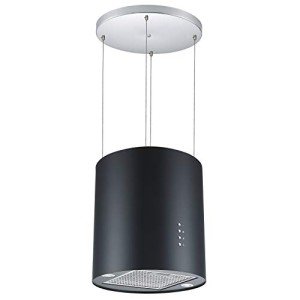
Another popular alternative for those looking to bring a more minimalist feel to their kitchen is a downdraft extractor. This type of hood is set up underneath the worktop and rises straight above your hob when it's in use, drawing away wetness, smoke and odours from the environment. Like our island chimney hoods, downdraft extractor fans are readily available in either duct or recirculation designs.
In contrast to the downdraft, a ceiling extractor fan sits flush with your ceiling and is frequently remote managed. This makes them the finest option for those who are wanting to hide their extractor in a less apparent area. Nevertheless, this kind of hood might not be as powerful as an island or wall chimney cooker hood and can have problem with bigger gas hobs.
A newer alternative is to set up a hob with a built-in extractor, which is also called a venting hob. These hobs have a cooker hood developed into the centre of the hob and either vent out or recirculate air, depending on which model you decide for.
Maintenance
An extractor hood is a necessary piece of kitchen devices, assisting to remove any grease, steam or undesirable food smells from your cooking area and home. Nevertheless, if your hood becomes obstructed it can result in the kitchen ending up being dirty and odourous, creating an unclean environment. Routine cleansing of your extractor fan is for that reason essential to guarantee it works efficiently and is kept in good working order.
The majority of extractor hoods use 2 different operating modes: extraction or recirculation air. In extraction mode, the dirty air is attracted and through a filter that separates grease from the fumes, before being rerouted back into the space. The grease filters need to be cleaned routinely to avoid them from blocking and blocking the vents. Some models might also have a carbon or charcoal filter that absorbs smells. These can be cleaned with a degreaser spray or changed totally, depending upon the producer's guidelines.
The fan motor and other parts of the hood ought to likewise be cleaned on a regular basis. This can be done by utilizing a moist cloth and washing-up liquid, or in some cases a specialist degreaser may be needed to thoroughly clean up the fan motor. Examine the user guide to learn if your particular model can be cleaned, as some extractor fans can not be dismantled for cleansing and must be cleaned by an expert.
If you select an incorporated extractor hood, it will be developed into the cabinets of your kitchen, making it much easier to maintain. This type of hood is also less expensive than an island extractor and can be set up in the centre of your kitchen to create a focal point.
Whether your hood is incorporated or free-standing, it needs to be kept clean to avoid the surface area from becoming stained and oily. This can be finished with a damp microfibre fabric and some washing-up liquid or, if it's made from stainless steel, with Novy Stainless Steel cleaner. ovensandhobs is a highly effective item which can be used safely on all surface areas. Integrated extractors can be cleaned up in the exact same method as the rest of your kitchen cabinets to preserve a tidy, consistent appearance.